
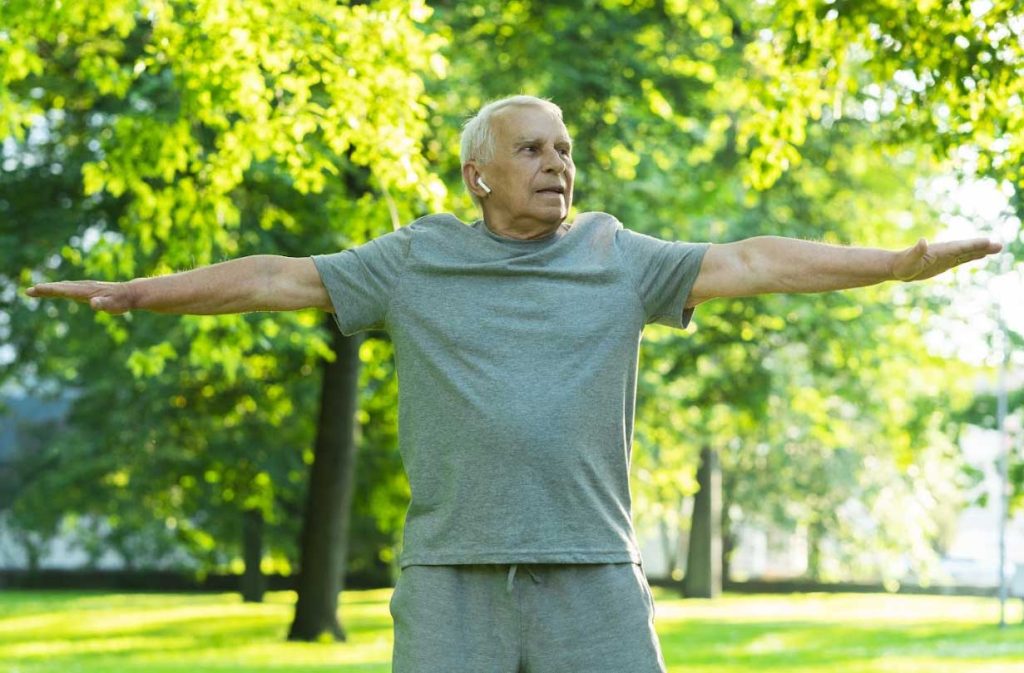
Yes, there are specific exercises designed to help individuals with lymphedema manage swelling, support lymphatic flow, and improve mobility. Lymphedema exercises are gentle, low-impact movements that activate muscles to encourage lymph fluid to move more effectively through the body. Because the lymphatic system relies on muscle movement and breathing—rather than a central pump like the heart—these exercises play an important role in managing symptoms.
In this blog, you’ll learn what lymphedema exercises are, how they help reduce swelling, and which movements are commonly recommended for both upper- and lower-extremity lymphedema. We’ll also explain how often these exercises should be done, important safety considerations, and why working with a trained healthcare professional is essential. When combined with compression therapy, skin care, and other recommended treatments, lymphedema exercises can help improve comfort, range of motion, and overall quality of life. Whether you are newly diagnosed or managing long-term lymphedema, understanding how gentle movement supports lymphatic health can empower you to take an active role in your care.
What Are Lymphedema Exercises?
Lymphedema exercises are carefully selected movements designed to stimulate lymphatic drainage without placing stress on the affected area. These exercises focus on slow, controlled motion and gentle muscle activation to improve circulation and help move lymph fluid out of swollen tissues.
They are commonly recommended for people with:
- Arm or leg lymphedema
- Swelling following surgery or cancer treatment
- Chronic lymphatic system conditions
How Do Exercises Help Reduce Lymphedema Swelling?
Lymphedema occurs when lymph fluid cannot drain properly and builds up in the tissues. Exercise helps reduce swelling by:
- Activating muscles that act as a natural pump for lymph fluid
- Improving circulation throughout the body
- Supporting joint mobility and flexibility
- Reducing stiffness and discomfort over time
When combined with deep breathing and compression, exercise can significantly improve lymphatic flow and symptom control.
What Are the Best Exercises for Lymphedema?
Deep Breathing Exercises
Deep breathing helps stimulate lymphatic movement by creating pressure changes in the chest and abdomen.
How to perform:
- Inhale slowly through the nose
- Hold for a few seconds
- Exhale slowly through the mouth
- Repeat several times
Shoulder Rolls for Upper-Body Lymphedema
Shoulder rolls are gentle movements that improve mobility in the neck and shoulders while supporting lymphatic drainage.
Benefits include:
- Reduced muscle tension
- Improved range of motion
- Gentle stimulation of lymph flow
Ankle Pumps for Lower-Extremity Lymphedema
Ankle pumps help encourage circulation and lymph movement in the legs and feet.
How they help:
- Reduce fluid pooling in the lower legs
- Improve circulation
- Can be performed while seated or lying down
Arm Circles for Arm Lymphedema
Arm circles promote lymphatic drainage in the arms and shoulders when performed slowly and within a comfortable range.
Tips for safe movement:
- Start with small circles
- Increase range gradually
- Stop if pain or fatigue occurs
Walking for Whole-Body Lymphatic Support
Walking is a simple, low-impact activity that supports circulation and lymphatic health throughout the body.
Why walking helps:
- Engages multiple muscle groups
- Encourages steady lymph movement
- Supports overall cardiovascular health
How Often Should Lymphedema Exercises Be Done?
Consistency is more important than intensity. Many individuals benefit from performing lymphedema exercises daily or several times per week, depending on their condition and provider recommendations. Gentle, regular movement helps maintain lymphatic flow and prevent stiffness.
Are Lymphedema Exercises Safe?
Lymphedema exercises are generally safe when performed correctly. However, it is important to consult a trained healthcare professional before beginning an exercise program. A personalized plan ensures exercises are appropriate for your specific needs and stage of lymphedema.
Exercises are most effective when combined with:
- Compression garments or bandaging
- Proper skin care
- Manual lymphatic drainage when prescribed
Frequently Asked Questions About Lymphedema Exercises
Can exercise make lymphedema worse?
Exercise that is too aggressive or performed incorrectly can worsen symptoms. Gentle, guided exercises are widely considered beneficial.
Do lymphedema exercises require special equipment?
Most lymphedema exercises can be done at home without equipment.
Should compression be worn during exercise?
Compression is often recommended during exercise, but this should be confirmed with your therapist.
Final Thoughts: Using Exercise to Manage Lymphedema
Lymphedema exercises are a key part of managing swelling and maintaining mobility. When performed consistently and as part of a comprehensive care plan, gentle movement can improve lymphatic function, reduce discomfort, and enhance quality of life. Working with a trained professional ensures exercises are safe, effective, and tailored to your long-term care goals.
Questions? Call us today! 941-371-1185