

Safe Exercise and Lymphedema Management
At Functional Transformation Clinic, we’re committed to helping breast cancer survivors regain strength, restore mobility, and return to the activities they love—safely and confidently. One concern we often hear from patients is whether it’s safe to exercise, particularly when managing breast cancer-related lymphedema.
For years, women with lymphedema were advised to avoid strength training altogether. The fear of triggering or worsening symptoms kept many from enjoying the well-known benefits of exercise—stronger bones, better circulation, improved mood, and enhanced overall health. Fortunately, research is changing that perspective.
The Truth About Strength Training and Lymphedema
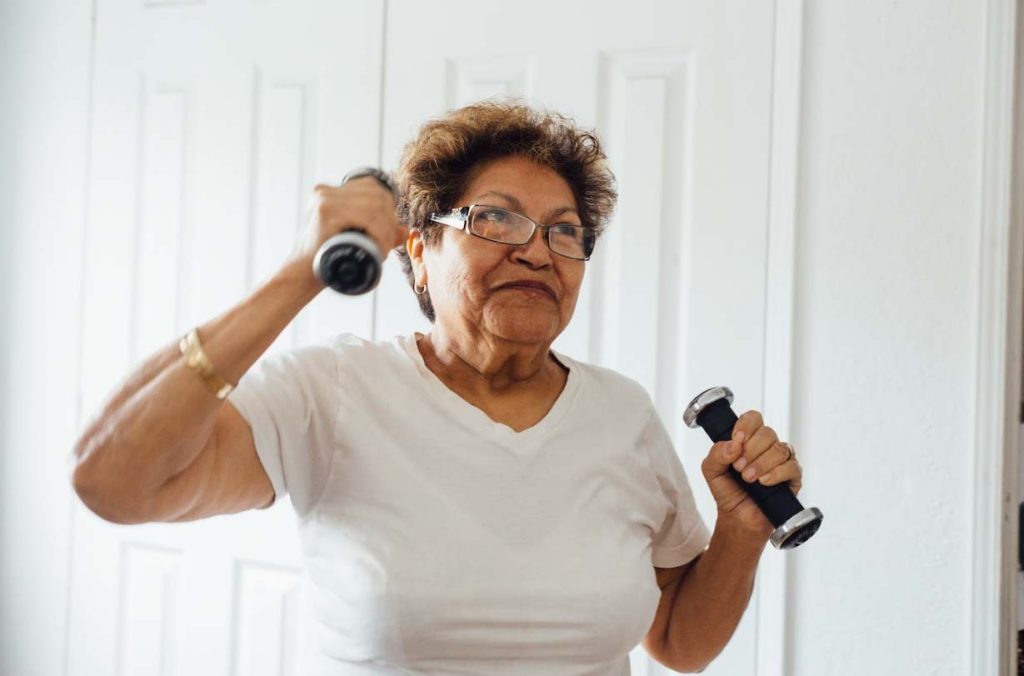
A major clinical trial studied 141 breast cancer survivors with stable arm lymphedema over the course of one year. Participants in the intervention group took part in progressive, twice-weekly weightlifting sessions. Each woman wore a custom-fitted compression garment and followed a carefully monitored program led by certified trainers.
The results were groundbreaking:
- Limb swelling remained stable in both the weightlifting and non-exercise groups.
- The weightlifting group experienced fewer lymphedema flare-ups (14% vs. 29%).
- Participants gained significant upper- and lower-body strength and reported fewer lymphedema symptoms overall.
- Most importantly, no serious adverse events occurred, proving that—with proper guidance—strength training can be safe and beneficial for breast cancer survivors with lymphedema.
Movement Matters After Surgery
Whether you’ve had a lumpectomy, mastectomy, or lymph node removal, gentle movement is essential to recovery. Exercise helps:
- Reduce tightness and stiffness
- Support lymphatic drainage
- Improve posture and flexibility
- Rebuild confidence and independence
This is especially important for women who have also undergone radiation therapy, which can affect the shoulder and arm for months—or even years—after treatment. Keeping those areas mobile with safe, regular exercise can prevent long-term limitations.
When and How to Start Exercising
Before beginning any exercise program, your doctor will almost certainly recommend working with a certified physical or occupational therapist—like the expert therapists we have here at Functional Transformation Clinic.
While your provider may initiate this referral, patients are also welcome to contact us directly. With your permission, we’ll reach out to your physician to request the necessary orders and help you begin a safe, customized plan for recovery.
Once you’re cleared to start moving, here’s what you can expect:
Early Recovery (First Week After Surgery)
With your doctor’s approval and our guidance, you can expect to do things like:
- Use your affected arm for basic activities like dressing, brushing your hair, and eating.
- Gently raise your arm to shoulder height and lower it several times a day to encourage lymph flow.
- Practice deep breathing using your diaphragm to support lung and chest mobility.
- While lying down, open and close your hand 15–25 times with your arm elevated, then bend and straighten your elbow a few times.
These light movements support circulation, reduce swelling, and begin the process of restoring motion.
Gentle Guidelines for Safe Exercise
As you continue to heal and strengthen, follow these tips:
- Avoid bouncing or jerky movements—exercise should feel like a gentle stretch, not pain.
- Hold stretches for 5 seconds, and repeat each exercise 5–7 times.
- Wear comfortable, loose clothing and consider exercising after a warm shower when muscles are relaxed.
- Listen to your body. If you feel pain, heaviness, swelling, or tightness, stop and consult your care team.
Even if you feel good, take it slow. Gradual progress is the key to long-term recovery and reduced risk of complications.
Reclaiming Strength, Safely
Strength training, when done under professional supervision and with compression support, can be an empowering part of your recovery. As always, it’s important to take a personalized approach. Our team at Functional Transformation Clinic is here to walk alongside you—providing expert guidance, safe progression, and compassionate care every step of the way.
Whether you’re just beginning post-surgical therapy or ready to safely return to more intense physical activity, we’ll help you create a plan that fits your needs, honors your journey, and supports your health for years to come.Ready to take the next step? Contact us today to schedule a consultation with one of our lymphedema specialists or occupational therapists.