

Let’s discuss the different types of compression garments and their benefits as they relate to lymphedema management, the importance of collaboration with healthcare providers, Medicare coverage, and the role of proper care and maintenance in ensuring the longevity and effectiveness of compression garments. Let’s dive in!
Compression Garments: Essential Tools in Lymphedema Management
Compression garments are indispensable tools in the management of lymphedema, a condition characterized by swelling in certain parts of the body due to an accumulation of lymphatic fluid. These garments, classified as Durable Medical Equipment (DME), are designed to apply controlled pressure to the affected areas, aiding in the reduction of swelling and promoting better circulation. They play a crucial role in improving symptoms and enhancing the overall quality of life for individuals living with lymphedema.
Types of Compression Garments
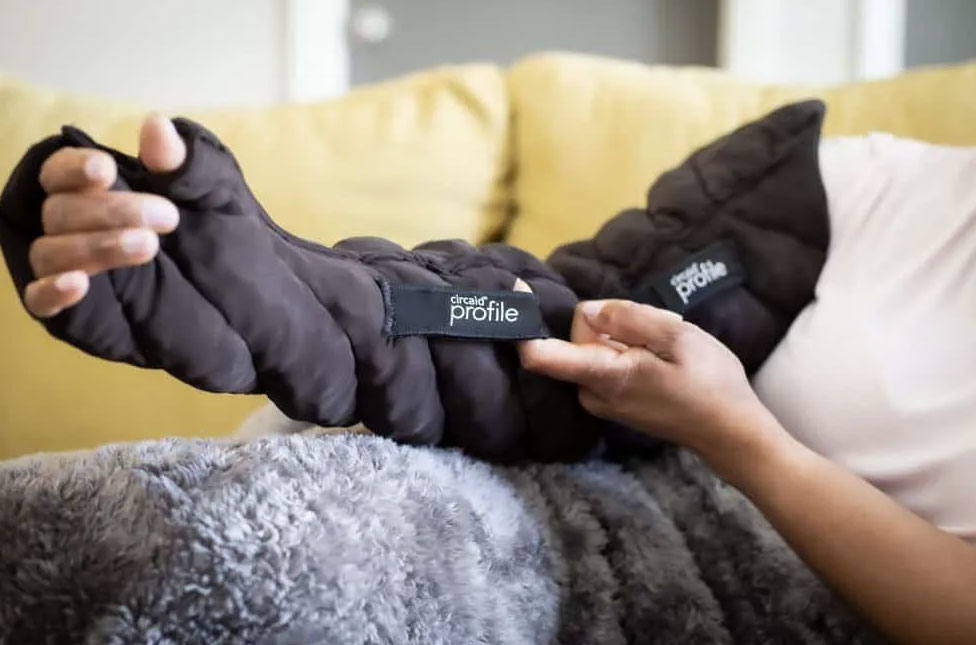
Compression Sleeves: These sleeves are specifically designed to provide targeted compression and support to the arms. Prescribed for individuals with lymphedema affecting the upper limbs, helping to alleviate swelling and discomfort.
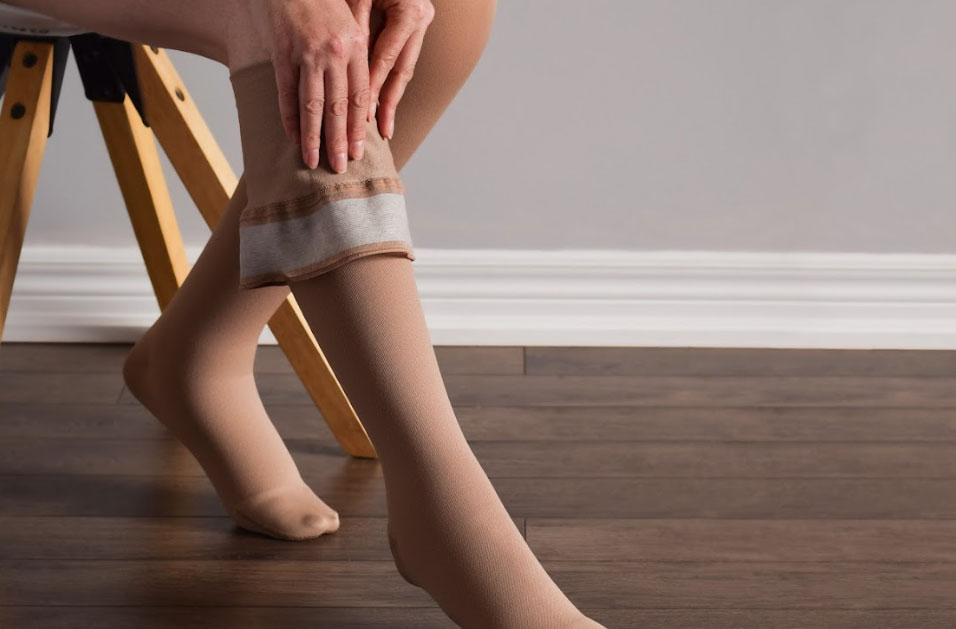
Compression Stockings: Available in various lengths, including knee-high, thigh-high, and pantyhose styles, compression stockings are tailored to provide comprehensive support to the legs. They are beneficial for managing lymphedema in the lower extremities by facilitating better blood flow and reducing fluid buildup.
Compression Bandages: In addition to compression garments, healthcare providers may recommend the use of compression bandages. These bandages are applied over the affected areas and provide added pressure, particularly in cases of severe lymphedema where greater compression is needed for effective management.
Compression Bras: Designed specifically for breast lymphedema, compression bras offer targeted compression and support to the chest area. They help reduce swelling and discomfort associated with lymphedema in the breast region, providing much-needed relief to patients.
Custom-Fit Compression Garments: While standard-size compression garments are available, custom-fit garments may be prescribed for individuals with unique anatomical needs. Custom-fit garments ensure an optimal fit, maximizing therapeutic benefits and enhancing patient comfort during wear.
Benefits of Compression Therapy
Improved Circulation: By applying consistent pressure to the affected areas, compression garments facilitate better blood flow, reducing the risk of blood pooling and related complications.
Reduced Swelling: The controlled compression exerted by these garments helps reduce swelling and fluid buildup, promoting a more balanced fluid distribution in the body.
Pain Relief: Many individuals with lymphedema experience discomfort and pain due to swelling and pressure on tissues. Compression therapy can alleviate these symptoms, leading to improved comfort and mobility.
Prevention of Complications: Effective management of lymphedema through compression therapy can help prevent complications such as infections, skin changes, and impaired limb function, thereby enhancing overall health outcomes.
Collaboration with Healthcare Providers
Successful management of lymphedema requires a collaborative approach involving healthcare providers, patients, and caregivers. It is essential for individuals with lymphedema to work closely with their healthcare team to determine the most appropriate type and level of compression therapy needed. Healthcare providers assess the severity of lymphedema, prescribe suitable compression garments, and monitor progress over time to ensure optimal therapeutic outcomes.
Medicare Coverage for Compression Garments
The Lymphedema Treatment Act, which came into effect on January 1, 2024, has expanded Medicare coverage for compression garments. Under this coverage, Medicare beneficiaries are eligible for:
Custom and standard fit daytime garments (3 sets every six months, one garment for each affected body part)
Custom and standard fit nighttime garments (2 sets every two years, one garment for each affected body part)
Gradient compression wraps with straps
Bandaging supplies (limits determined based on patient needs)
Doffing and donning aids (limits determined based on patient needs)
Padding, linings, fillers, and zippers (limits determined based on patient needs)
Patients must have a prescription for compression supplies and a diagnosis from their physician to qualify for Medicare coverage. It’s important to note that coverage is not retroactive, meaning garments and supplies purchased before January 1, 2024, will not be covered.
For traditional Medicare, these supplies are covered under Part B, subject to the annual Part B deductible and 20% coinsurance. Other insurance coverage, including Medicare Advantage plans, may have deductibles or copays for DME items, including compression garments. However, HMO insurance plans do not typically cover compression garments.

Proper Care and Maintenance of Compression Garments
Ensuring the longevity and effectiveness of compression garments requires proper care and maintenance. Here are some essential tips:
Follow Manufacturer’s Instructions: Always follow the care instructions provided by the manufacturer for washing and storing compression garments.
Hand Washing: Hand washing is often recommended for compression garments to avoid damage from harsh detergents and machine agitation. Use a mild detergent and lukewarm water, and gently squeeze (do not wring) to remove excess water.
Air Dry: Allow compression garments to air dry flat or on a drying rack. Avoid using heat sources such as dryers or direct sunlight, as they can damage the fabric and elastic fibers.
Avoid Rough Surfaces: When wearing compression garments, avoid rough surfaces that may snag or tear the fabric. Be mindful of sharp objects and jewelry that could damage the garment.
Regular Inspection: Periodically inspect compression garments for signs of wear, such as stretched elastic, fraying seams, or tears. Replace garments as needed to maintain optimal compression and support.
Compression garments are indispensable tools in the management of lymphedema, offering numerous benefits such as improved circulation, reduced swelling, pain relief, and prevention of complications. Collaboration with healthcare providers is crucial to ensure the appropriate use of compression therapy tailored to individual needs. With expanded Medicare coverage, access to high-quality compression garments has become more accessible for eligible patients. Proper care and maintenance are essential to prolong the life and effectiveness of compression garments, ensuring continued therapeutic benefits.
At Functional Transformation Clinic we can help with all your lymphedema care needs including measuring before and after surgery with our high-tech equipment to determine if you’re developing lymphedema, provide CDT (Complete Decongestive Therapy) including manual lymphatic massage, and (if you already have lymphedema) we can order and even custom-fit garments for you. We can answer any questions you may have and we are here to serve you!